


A Grief Observed: Hues of Emotional Layers
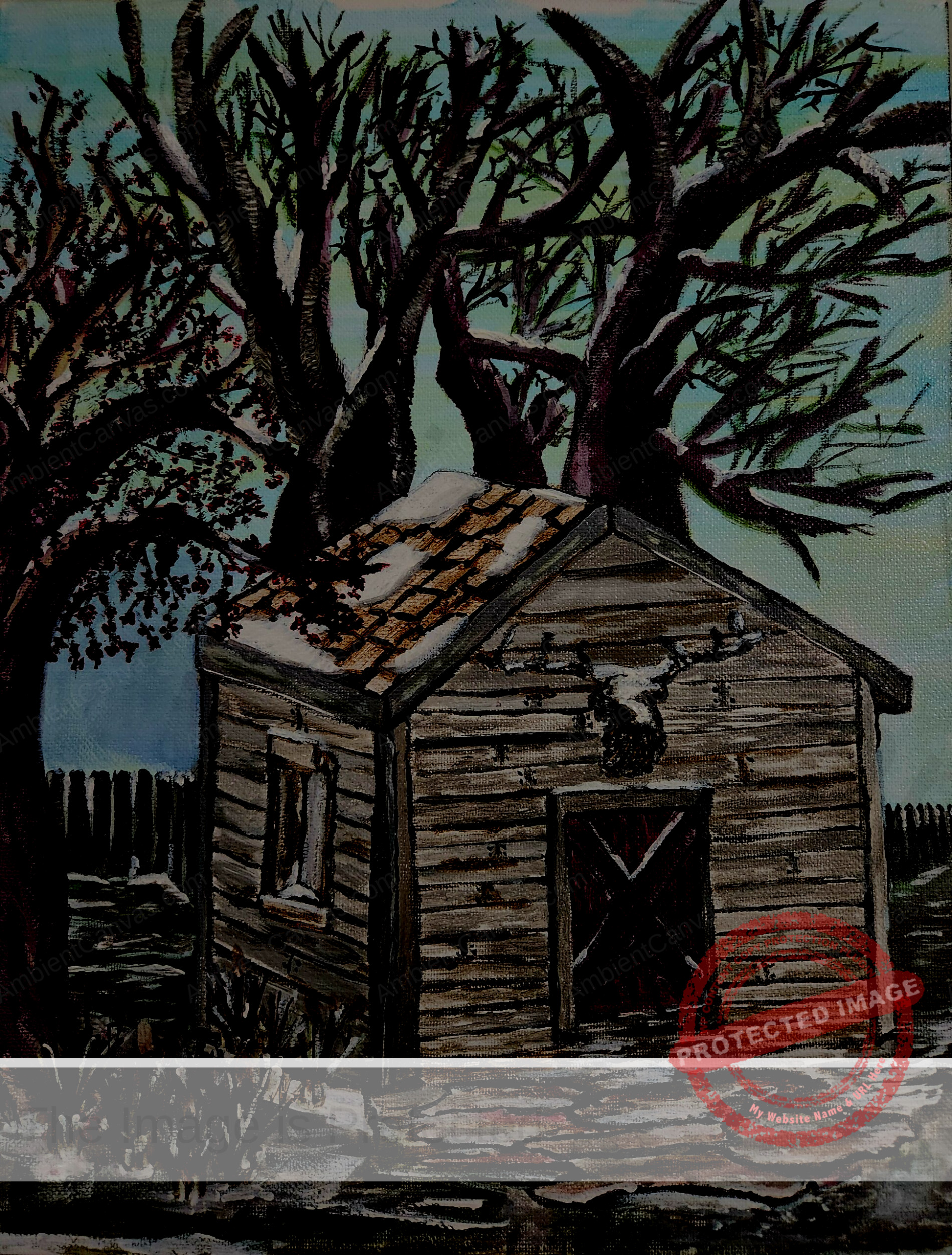
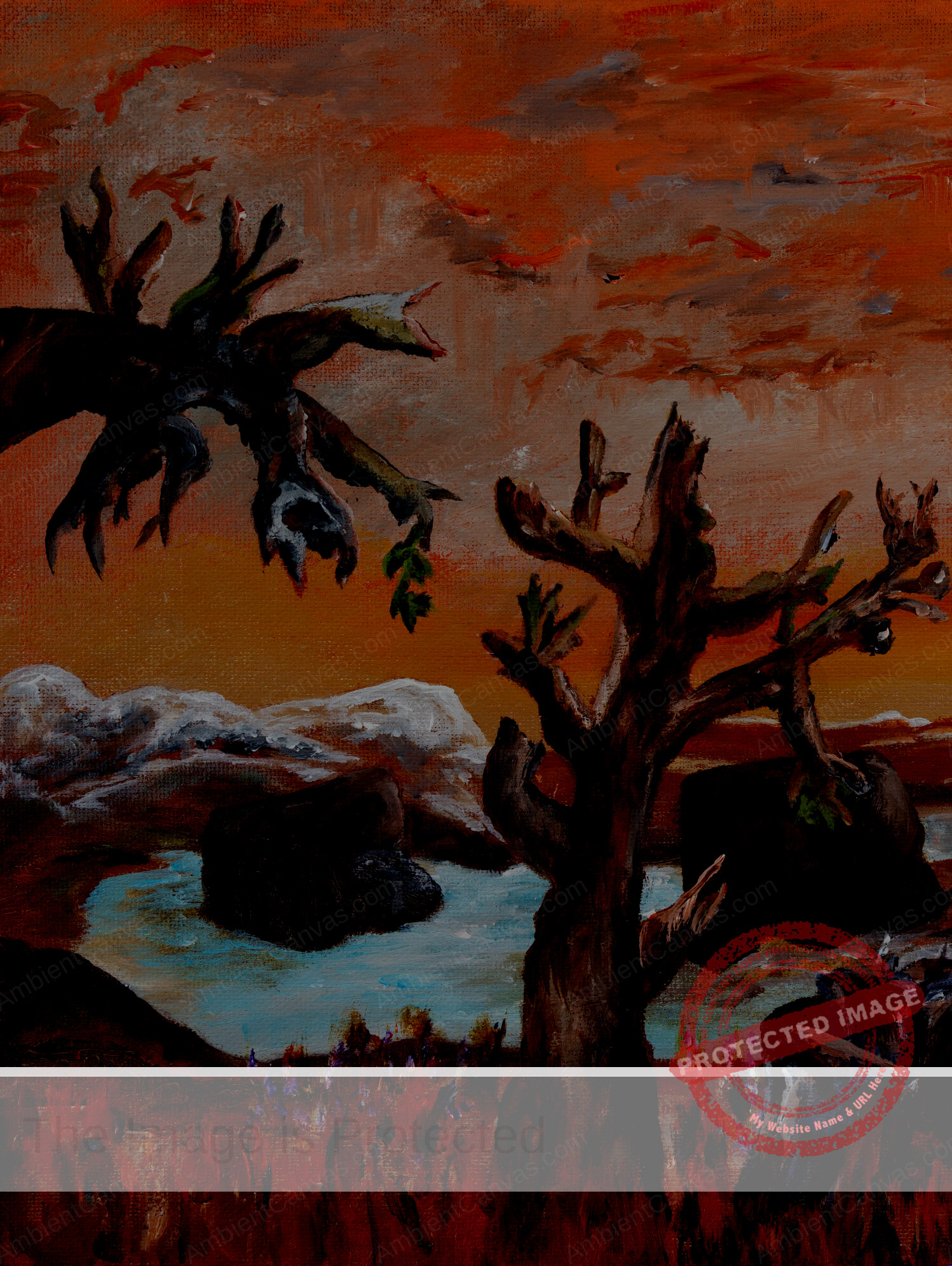
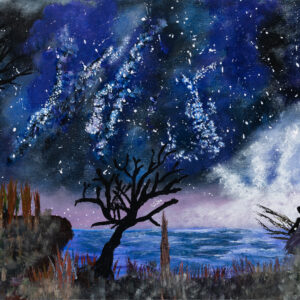
In this painting, light doesn’t merely illuminate; it exposes. Shadows and highlights work in concert to create a dynamic narrative, portraying the turbulence that accompanies a grief observed. Elements of movement within the composition—achieved through sweeping brushstrokes and undulating patterns—suggest the unpredictable and uncontrollable elements of emotional turmoil. The viewer’s eye is drawn across the canvas in a seemingly erratic manner, reflecting the chaotic and unsteady path of mourning.
Find This in Giclée Prints
The Story Behind The Painting
Description
Understanding the Emotional Layers of Grief
 Explore the layered emotions of a grief observed, from denial to acceptance, and see how art translates loss into healing through acrylic on canvas. A grief observed is difficult at best to try to understand. Indeed, no less difficult to paint.
Grief is a complex and multifaceted journey that encompasses a wide array of emotions. Emotions that are often deeply layered and interwoven. Delve into the emotional journey of a grief observed, its non-linear stages, physical impacts, and how the artist expresses sorrow through color and light.
Recognizing Just A Few of The Stages of A Grief Observed
Denial
As we get ourselves wrapped up in a grief observed, it is easy to recognize the stage of denial. Often, denial is considered as one of the first stages, but not necessarily.
Denial serves as a defense mechanism. A mechanism providing a temporary emotional buffer against the initial shock of loss. During this phase, individuals may find themselves in disbelief. When one is simply unable to fully accept the reality of their situation. As denial begins to wane, anger often surfaces.
Anger
Anger is marked by feelings of frustration, helplessness, and sometimes even blame. Feelings directed towards oneself, others, or the circumstances surrounding the loss.
Bargaining
Following anger, many experience the bargaining stage. Indeed, a stage in which they seek to negotiate a way to reverse or mitigate the loss. Even so, this often involves “what if” scenarios and thoughts of making deals with a higher power. This stage is typically a reflection of the yearning to regain control in the face of overwhelming helplessness.
Nonetheless, as bargaining fails to alter the reality, the weight of the loss may lead to depression—a profound sadness marked by feelings of emptiness, despair, and isolation. This stage can vary significantly in duration and intensity among individuals.
A Grief Observed is No Respecter of Order
Forgetfulness
 As some would say, a grief observed that’s in its final stage, is not really in any sort of final stage at all. What is typically labeled as the final stage, acceptance, does not mean forgetfulness or total recovery. Instead, it signifies a gradual incorporation of the loss into daily life. It’s an acknowledgment without the intense, emotional upheaval initially felt.
Nonetheless, the reality that is discovered while in the midst of a grief observed, is that there is no set or determined “order” that various stages of grief will appear. Accordingly, it’s crucial to understand these stages are not linear; individuals may oscillate between different stages or experience multiple emotions simultaneously.
The Nature of Grief
Indeed, a grief observed is simply reflecting the deeply personal nature of grief. Conflicting emotions, such as relief intertwined with sadness or anger coupled with guilt, are common, highlighting how grief is not monolithic but a personalized response to loss.
Physical Impact of A Grief Observed
Grief affects not only mental and emotional well-being but also physical health. A grief observed shows symptoms such as fatigue, changes in appetite, sleep disturbances, and weakened immunity are frequent. This underscores the necessity of a comprehensive view when supporting those in grief, considering the full spectrum of its impact.
Recognizing the varied and complex layers of grief can foster empathy and provide deeper insight into the emotional landscape of those navigating this profound journey. Thus, we discover a practical method by which to manage grief.
The Artist’s Interpretation: Conveying Grief Through Acrylic on Canvas
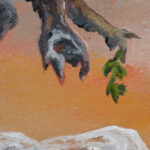 The artist’s approach to encapsulating the essence of A Grief Observed in acrylic on canvas is both intricate and evocative. Employing a broad range of techniques, the artist uses texture, color palettes, light, and shadow to articulate the multifaceted emotions of grief.
Rich, layered textures are created through the application of thick acrylic paint, which adds a tactile dimension to the artwork. This method infuses the canvas with a palpable sense of depth, mirroring the profound and often overwhelming nature of grief.
A color palette dominated by dark hues like deep blues, blacks, and muted purples contrasts with occasional bursts of lighter colors, such as whites and pale yellows.
This juxtaposition serves to highlight moments of hope and clarity amid the pervasive sorrow. Further, the strategic use of chiaroscuro – the interplay of light and dark – further enhances the emotional intensity, with sharp contrasts suggesting the highs and lows experienced during the grieving process.
A Grief Observed: The Painting
 This exploration of a grief observed shows the stages, symbolism, and movement in art that helps viewers connect with their own loss. In this painting, light doesn’t merely illuminate; it exposes. Shadows and highlights work in concert to create a dynamic narrative. A narrative portraying the turbulence that accompanies a grief observed. Furthermore,elements of movement within the composition—achieved through sweeping brushstrokes and undulating patterns—suggest the unpredictable and uncontrollable elements of emotional turmoil.
Hence, the viewer’s eye is drawn across the canvas in a seemingly erratic manner, reflecting the chaotic and unsteady path of mourning.
Symbolism plays a crucial role in conveying the complexities of a grief observed. Consequently, abstract forms and figurative representations blend seamlessly, allowing for multiple interpretations.
Fractured shapes scattered across the canvas might symbolize the fragmentation of self that one often feels when enduring a profound loss. Meanwhile, certain recurrent motifs such as broken timbers, wilted flowers, or solitary landscape can provide a tangible focus for the viewer’s own emotional connection to the work.
A Non-Conclusion
There is a therapeutic aspect inherent in both the creation and consumption of such poignant artwork. For the artist, the act of painting becomes a cathartic release, an avenue to process intense feelings non-verbally. For the viewer, engaging with the artwork offers an opportunity to reflect on their personal experiences with grief, potentially eliciting a sense of shared understanding and solace. Indeed, in finding the skill to actively observe one’s own grief.
In capturing the complex nature of grief through acrylic on canvas, the artist not only portrays pain but also contributes to the conversation on healing and emotional expression.
You may also like…
- Art Prints, Black Framed Prints, Framed, Giclée Art Prints, Grief Collection, Oil on Canvas Giclée Prints
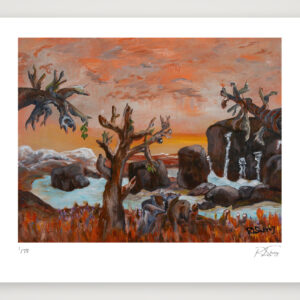
Unfinished Grief Framed Black | Giclée print
- Price range: $289.00 through $989.00
- Select options This product has multiple variants. The options may be chosen on the product page
- Acrylic on Canvas Giclée Prints, Art Prints, Black Framed Prints, Framed, Giclée Art Prints
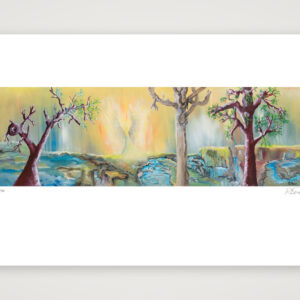
The Aura | The Essence of Life || Giclee Print | Black Frame
- Price range: $239.00 through $898.00
- Select options This product has multiple variants. The options may be chosen on the product page
- Acrylic on Canvas Giclée Prints, Art Prints, Black Framed Prints, Framed, Framed / Unframed, Giclée Art Prints, Grief Collection, Unframed
The Grief Observed || Giclée print
- Price range: $135.00 through $650.00
- Select options This product has multiple variants. The options may be chosen on the product page


Related products
- Art Prints, Giclée Art Prints, Grief Collection, Oil on Canvas Giclée Prints, Unframed
Unfinished Grief Unframed | Giclée Print
- Price range: $255.00 through $910.00
- Select options This product has multiple variants. The options may be chosen on the product page
- Acrylic on Canvas Giclée Prints, Art Prints, Giclée Art Prints, Unframed
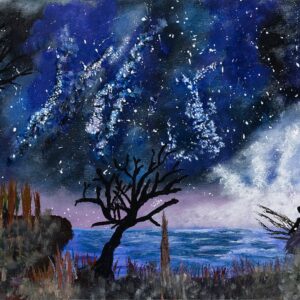
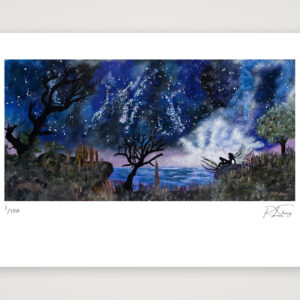
A Fairy Star Night | Giclée Print Only
- Price range: $179.00 through $689.00
- Select options This product has multiple variants. The options may be chosen on the product page

Reviews
There are no reviews yet.