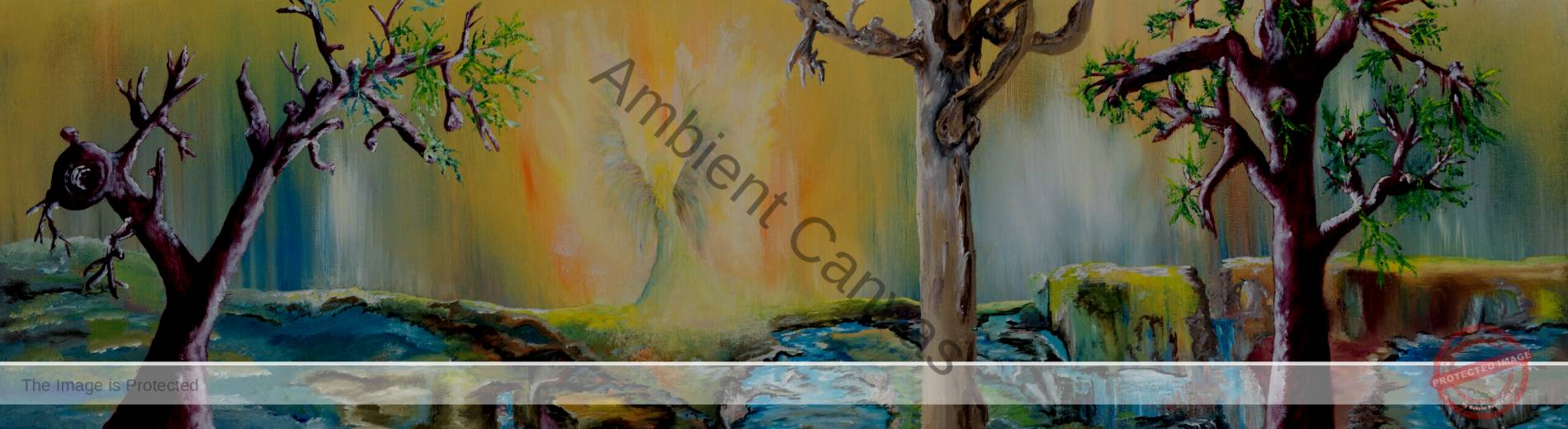
What is A Giclee Print?
Contents
A giclee print is a sophisticated form of printmaking that uses advanced inkjet technology to create high-quality reproductions of artwork. Indeed, the term “giclee” is derived from the French word “gicler,” meaning “to spray or squirt,” which accurately describes the inkjet printing process employed in producing these prints. Hence, unlike traditional printmaking methods, giclee printing utilizes high-resolution digital files to reproduce images with incredible detail and color accuracy.
The Giclee Print Process
The giclee printing process begins with capturing a digital image of an original artwork, which can be accomplished using high-quality scanners or professional photography. This initial step is crucial, as it ensures that the colors and details of the original piece are faithfully represented. Once the digital file is created, it is processed through a specialized software to optimize the image for printing.


One of the key features of this printing method is the use of archival quality inks and papers. These inks are pigment-based. Thereby, they provide a wider color gamut and greater longevity compared to dye-based inks commonly used in standard printers. The archival quality paper is often made from acid-free materials. Notwithstanding, this enhances the durability and vibrancy of the print, ensuring that it can withstand the test of time without fading.
The combination of high-resolution technology, superior inks, and quality materials differentiates giclee prints from both traditional and digital printing methods. While traditional prints may rely on methods such as lithography or screen printing, this printing method offer artists and photographers a versatile medium for producing limited editions of their work with exceptional precision.
The Quality of Giclee Prints Compared to Original Art
The debate surrounding the quality of giclee prints in contrast to original oil and acrylic paintings centers on several crucial factors. Factors including color accuracy, detail reproduction, and material longevity. Giclee prints are produced using advanced inkjet technology that enables the capture of a broad color spectrum and intricate detail. This results in ensuring that the print closely resembles the original artwork.
Color Accuracy
Color accuracy is one of the defining characteristics of giclee prints. High-quality giclee printers utilize archival inks that provide vibrant hues and deep saturation. These inks are designed to resist fading over time. Moreover, this allows for the prints to maintain their original brilliance, even in varying light conditions. While original paintings may exhibit unique color variations due to the artist’s technique or the medium used, giclee prints can closely replicate these characteristics to create an authentic reproduction.
Detail Reproduction At Its Best
In terms of detail reproduction, giclee prints are notable for their ability to capture fine details. Details that may only be present in an oil or acrylic painting. The resolution can reach up to 300 DPI (dots per inch), resulting in sharp images that reflect the texture and nuances of the original work. Furthermore, this detail can truly enhance the viewer’s experience. Thus, allowing them to appreciate even the most intricate aspects of the artwork.
Longevity Of Giclee Printing Compared to Traditional Printing
Longevity is another significant factor when comparing giclee prints to original paintings. When produced with archival materials, they can last for decades without significant color degradation. This durability is comparable to that of original artworks. Likewise, particularly when both are kept away from direct sunlight and extreme environmental conditions.
Giclee prints are recognized for their exceptional quality and unique attributes that significantly enhance their value. Especially when compared to traditional printing methods. One of the primary factors contributing to the perceived value of giclee prints is the use of archival materials. High-quality, acid-free paper or canvas is often employed. Accordingly, this ensures longevity and durability. This characteristic allows for fading resistance and deterioration over time. A key to maintaining their aesthetic appeal and integrity for decades.
The Technology Behind The Giclee Print
Another essential element influencing the value of giclee printing is the technology behind the printing process. One that utilizes specialized inkjet technology that delivers remarkable detail and color accuracy. The printers operate with a wide color gamut. A gamut that facilitates the reproduction of intricate details and subtle tonal variations in the original artwork. Thus, providing the ability to closely replicate the artist’s vision is crucial, allowing collectors to appreciate the print as a genuine representation of the original piece.
Moreover, the digital nature of this printing method alone permits limited edition runs with specific designs. This allows for further enhancing the exclusivity and perceived value of each piece. Artists often produce this high quality print in limited quantities, which can drive up demand within the art market. The scarcity of these prints, combined with their high-quality production standards, makes them sought after by collectors and art enthusiasts alike.
The Artist’s Reputation
Additionally, the reputation of the artist and how their work is valued in the art world plays a significant role in determining the worth of giclee prints. When artists gain recognition, their print pieces can also appreciate in value, as collectors vie for authentic pieces directly linked to their personal artistic journey. Overall, the superior quality, longevity, and demand create a solid foundation for the enhanced value of the printed piece in the realm of fine art.
Conclusion
Giclee prints have revolutionized the way we perceive and interact with art. Indeed, forging a bridge between original works and affordable reproductions. The advancements in printing technology have allowed artists to produce high-quality prints that convincingly capture the essence of their original creations. Due to their exceptional color accuracy and durability, giclee prints have become integral to both the art market and the collection practices of art enthusiasts.
As we look toward the future of giclee printing within the art world, it is evident that the method will continue to evolve, keeping pace with technological advancements and the changing preferences of consumers. Innovations in printing substrates, ink formulations, and digital technologies will likely enhance the quality and sustainability of giclee prints, ensuring their relevance in contemporary art. Furthermore, the growing appreciation for reproducible art aligns with society’s increasing value placed on mindfulness and sustainability in consumption practices.