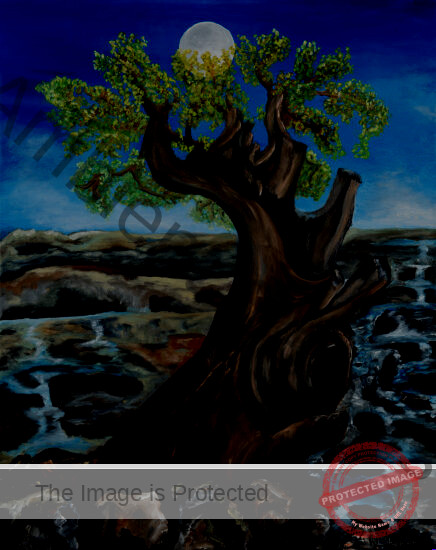
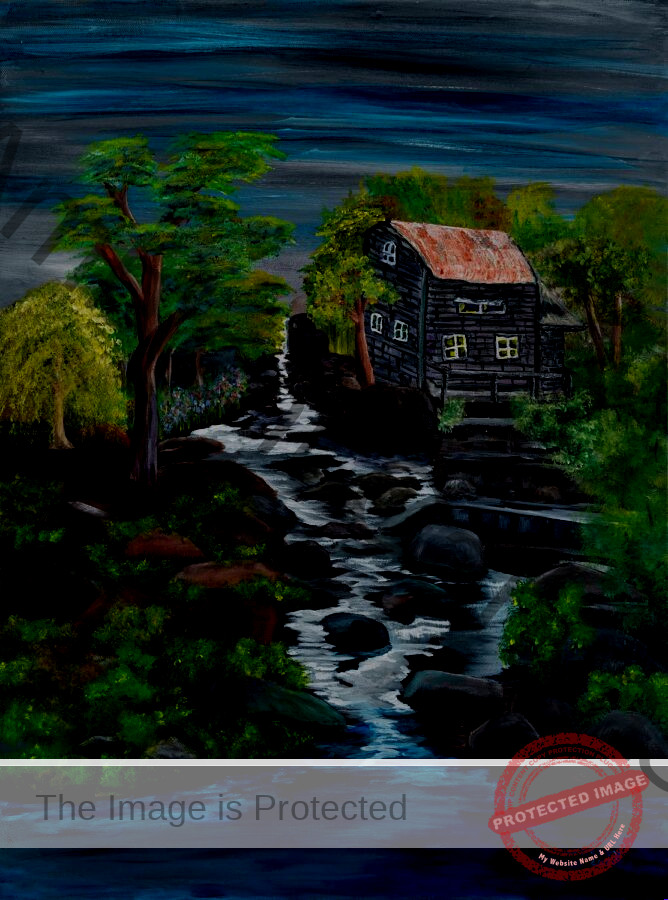
Exploring Oil Painting | A Fusion of Tradition and Modern Artistic Expression
Discovering The Medium of Oil
Discover the intricate world of oil painting! A truly timeless artistic medium that blends tradition with modern innovation. Explore its historical significance, advantages such as flexibility and color depth, and the process of creating stunning works. Delve into the emerging art for creating ambiance movement! Contemporary artists reshape this classic form. They apply abstract and non-objective styles to engage viewers. Such methods deepen the viewer’s experience. Learn about the role of canvas and innovative techniques that are influencing the future of oil painting, making it a crucial element in today’s art landscape.
Understanding Oil Painting
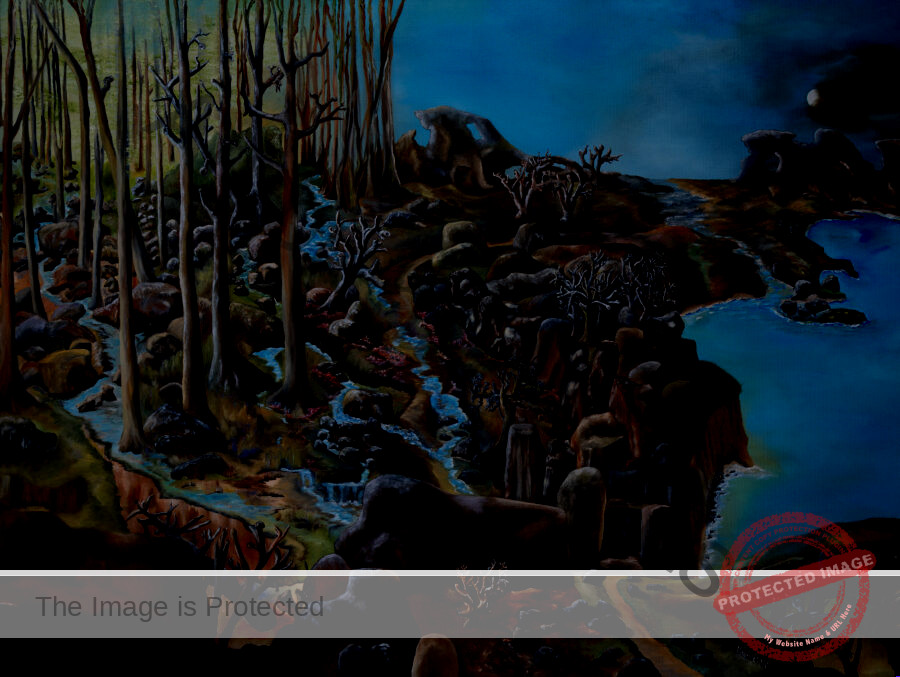
Oil paint is a revered and traditional artistic medium characterized by the use of pigments suspended in a drying oil, typically linseed oil. This technique allows for a rich palette and a versatility that few other mediums can match. The historical significance of oil painting dates back to the 15th century. Oil painting has played a crucial role in the evolution of art throughout Europe and beyond. Artists such as Jan van Eyck and Leonardo da Vinci were pioneers in this medium. Indeed, their innovations enabled the stunning depth and luminosity that defines oil painting.
Another noteworthy aspect of oil painting is its adaptability to various styles and approaches. These range from classical realism to contemporary ambient art. The expressive potential of oil paint enables artists to explore a range of concepts, emotions, and themes while engaging with texture and color in compelling ways. This modality has not only fostered a rich tradition of craftsmanship but has also morphed into new forms of artistic expression in modern contexts. As artists continue to innovate with oil painting techniques, the medium’s legacy lives on, celebrating both its classic roots and contemporary interpretations.
Advantages of Oil As A Medium
Oil painting offers numerous advantages that make it a favored choice for many artists, both traditional and contemporary. One of the most notable features of oil paints is their flexibility. Unlike other mediums, oil paints can be manipulated over extended periods, allowing artists to refine their work without the pressure of time constraints. This characteristic enables the creation of highly detailed pieces where precision is key. Because of this, oil painting is most suitable for those seeking meticulous craftsmanship.
Another significant advantage is the depth of color that oil paints can achieve. The oil medium allows pigments to maintain vibrancy. The result is rich, saturated hues that can evoke a profound emotional response within a viewer. Furthermore, this quality is particularly appealing for artists aiming to express ambient art and other forms that rely heavily on color dynamics. The ability to mix colors effectively with oils results in an extensive palette spectrum. A spectrum making it possible to blend tones seamlessly from light to dark.
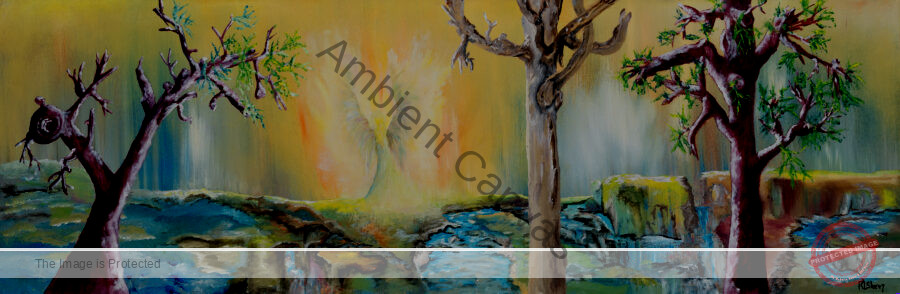
The layering capabilities inherent in oil painting further elevate the medium’s appeal. Artists can apply multiple layers of paint, allowing them to build texture and depth gradually. This technique can create a three-dimensional quality in artwork that is difficult to replicate with other mediums. Additionally, oil paints dry slowly, which gives artists the flexibility to rework areas without losing earlier details. In comparison to acrylics and watercolors, which dry faster and may require immediate execution, oil paints permit a more deliberate and reflective approach to creation.
Therefore, oil painting stands out for its unique qualities that enhance artistic expression. The combination of flexibility, depth of color, and layering options makes it a preferred medium among artists, offering endless possibilities for creativity and innovation.
The Process of Oil Painting
The art of oil painting is distinguished by a meticulous process that requires both skill and patience. This technique involves the application of oil-based pigments on a canvas or other surfaces. Thereby, allowing for a depth of color and richness that is unmatched by other mediums. At its core, oil painting consists of multiple layers. Where each layer must dry before the next can be applied. This drying time is critical, as it allows the artist to build up the painting progressively. This build up ensuring that the colors interact and develop in an organic manner.
Initially, artists create a foundation layer or under painting. This foundational work provides a base color and structure for the subsequent layers. Once this layer has adequately dried, typically taking a few days to weeks depending on thickness and environmental conditions, the process continues with the application of the first layer of oil paint. As oil paint has a slow drying time, artists can effectively manipulate the paint for several days. A feature allowing for blending, glazing, and texturing techniques that contribute to the painting’s overall aesthetic.
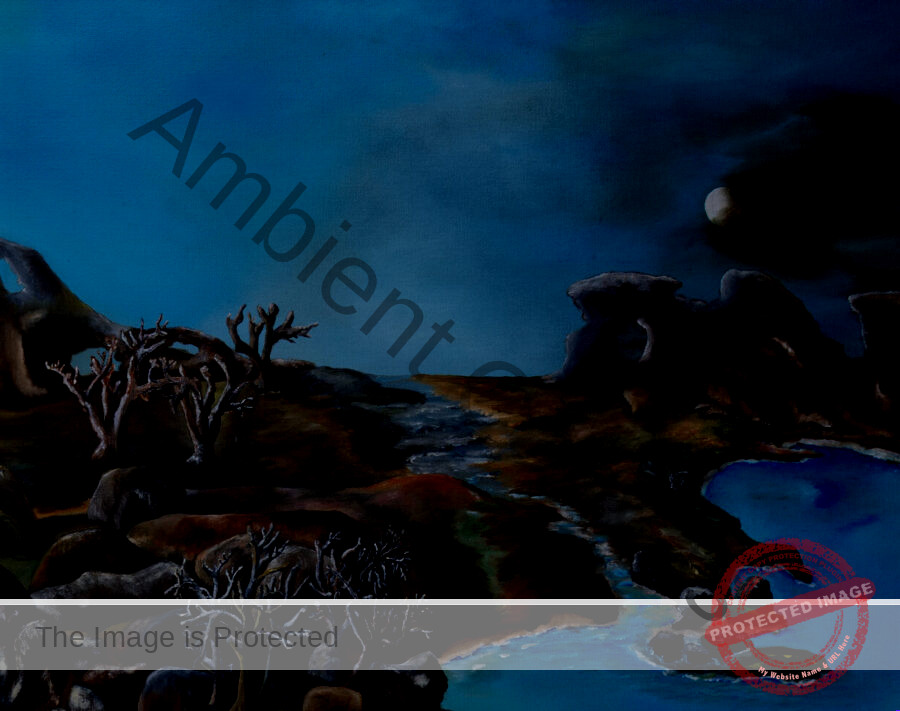
Each additional layer of oil paint must also be allowed to dry, which teaches the artist the virtue of patience. This patience fosters a deeper connection to the work and can even enhance creativity; by waiting, artists gain time to reflect and make adjustments, leading to more thoughtful artistic choices. The use of ambient art techniques within oil painting may also introduce techniques that emphasize atmosphere and mood, adding another layer of complexity to the creation process. Thus, the technicalities inherent in oil painting not only shape the final artwork but also play a significant role in the artist’s development during the creative journey.
Regarding Oil Paint For Ambient Art
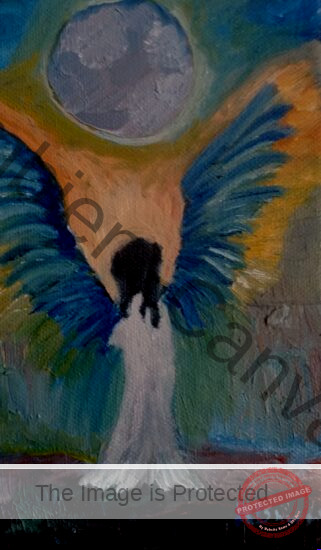
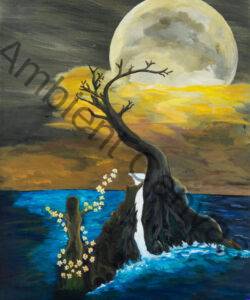
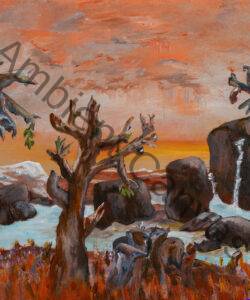
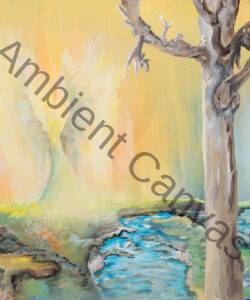
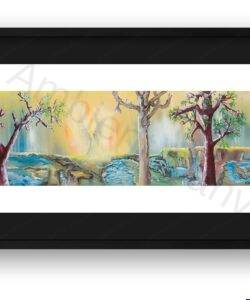
Regarding oil paint for ambient art, let’s put this site in the spotlight! Let’s do the unveiling of it all. Typically, you’ll find acrylic or oil painting on canvas. Not to say that there may be art paintings on other than canvas support. Indeed, desired visual impressions such as abstract impressions, non-objective expression, or abstract expressionism may be the end-goal of the art piece. Possibilities such as accent, aerial perspective, and a multitude of other possibilities would dictate the support on which the painting is created as well.
Discover the trans-formative approach of ambient canvas art, which merges traditional painting techniques with immersive emotional experiences. This innovative art form emphasizes abstract qualities and rich layering, inviting viewers to interpret works through their own emotional lens. Explore how emerging artists use various mediums, including acrylics and oils, to create captivating pieces that resonate with contemporary audiences. Learn about the evolution of ambient canvas, its unique aesthetic, and the future potential it holds in the art scene, fostering diverse artistic expressions and deeper audience connections.