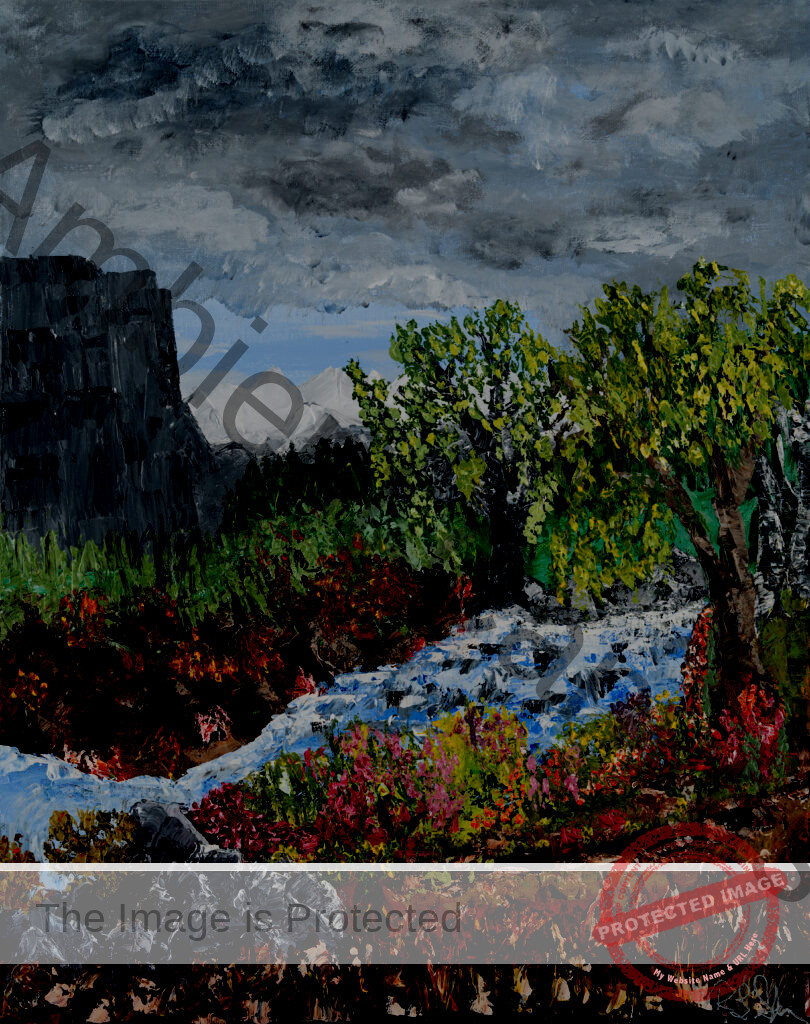
The Quiet Magic of Montana Springtime Flow; The Power in the Waterfalls of the Great Northwest
Introduction to A Montana Springtime Flow; Montana’s Springtime Wonder
Discover the breathtaking beauty and the quiet magic of a Montana springtime flow. Indeed, from the vibrant blooming wildflowers to the rejuvenated ecosystems and majestic waterfalls. Waterfalls fed by melting glacier snow. Explore the natural splendor that captivates both locals and visitors of Montana’s springtime wonders. Experiencing the majestic beauty of a Montana springtime flow is perfect for outdoor enthusiasts, photographers, and nature lovers. Witness the spectacular seasonal transformation in Montana’s Great Northwest region. Whether observing dynamic wildlife, hiking scenic trails, or marveling at powerful waterfalls like Kootenai Falls and Upper and Lower Yellowstone Falls, each location offers a soul-stirring experience of Montana’s unparalleled spring beauty.
The Spectacular Montana Springtime Flow
As winter bids its farewell, Montana emerges in a spectacular display of natural wonder. Springtime in Montana is a season of renewal and growth. A season when the once dormant landscapes burst into life with remarkable vibrancy. Montana’s unique geographical features set it apart as one of the most stunning locations to witness this seasonal transformation. Notwithstanding, during this period, the state’s expansive meadows, rolling hills, and rugged mountains are adorned with a tapestry of blooming wildflowers and lush greenery.
These breathtaking spectacles are complemented by the dynamic Montana springtime flow. The re-invigorated streams, rivers, and the numerous spectacular waterfalls scattered across the region. The interplay of mild weather, flourishing flora, and the pristine quality of flowing water forms a picturesque setting that captivates both locals and visitors alike.
The Rejuvenation That A Montana Springtime Flow Brings
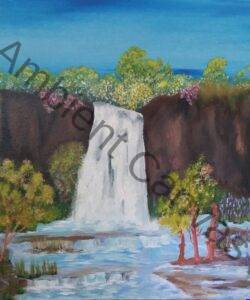
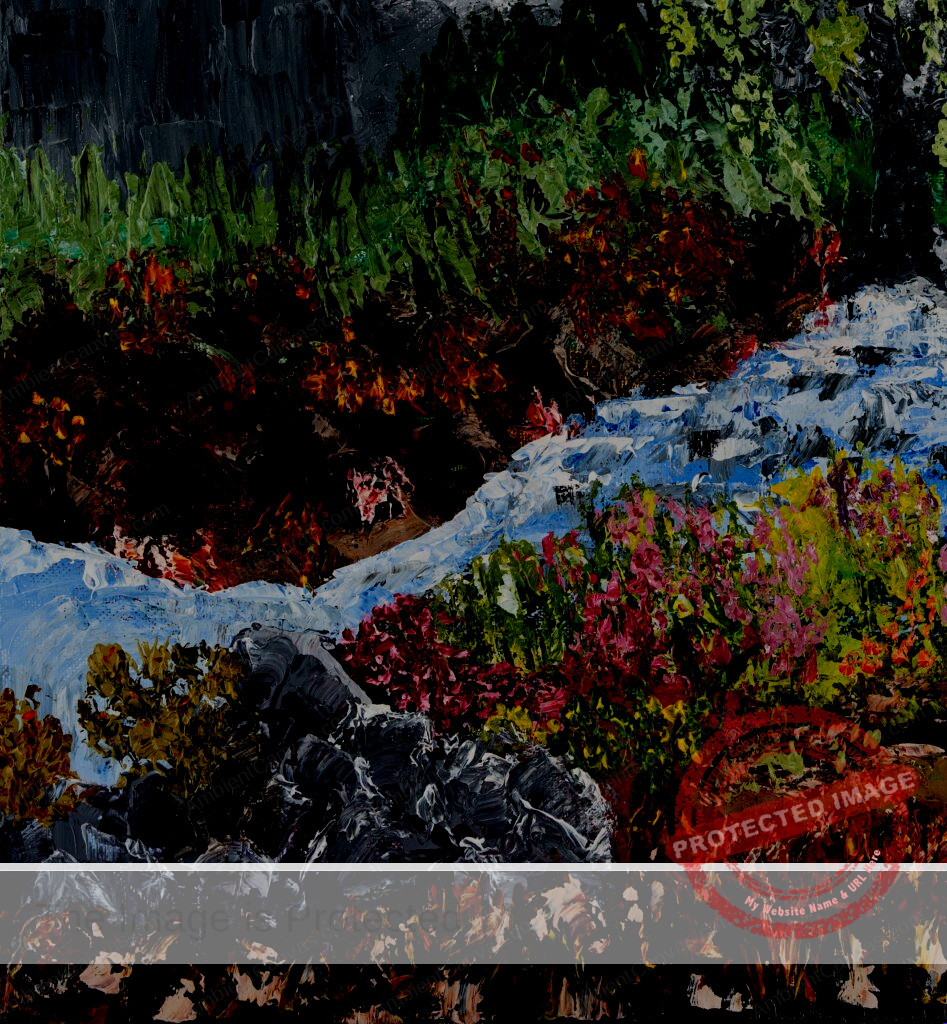
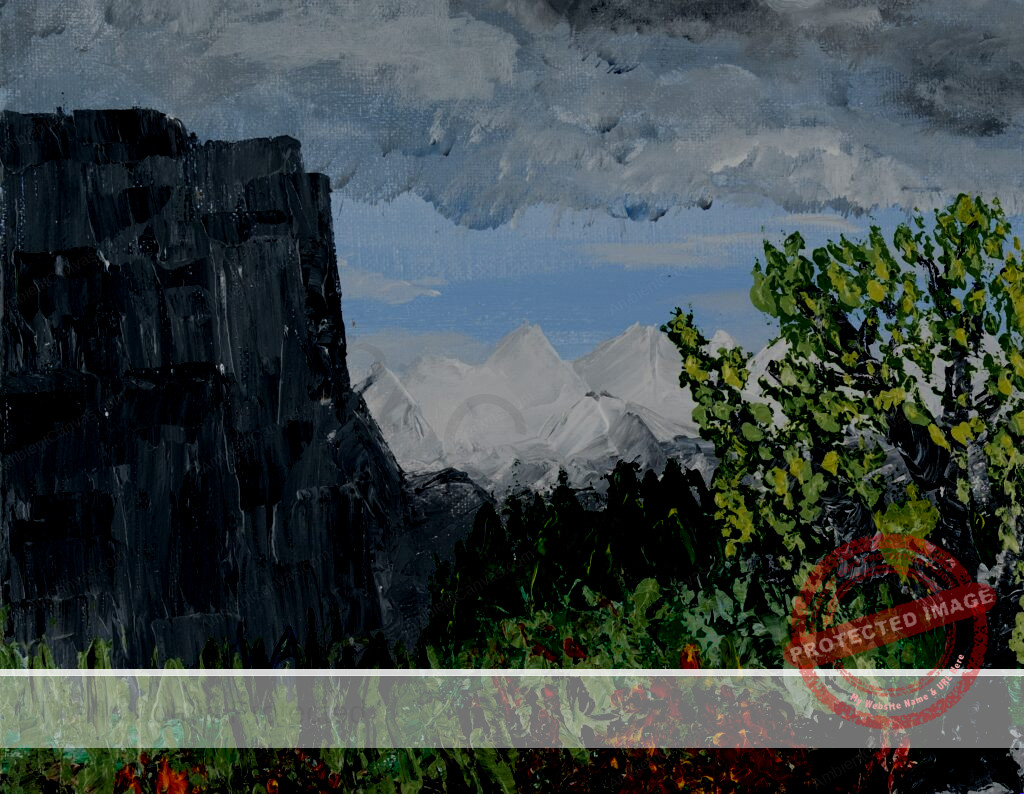
As portrayed in the original acrylic on canvas painting by palette knife, the spring thaw not only brings visual beauty but also rejuvenates the region’s ecosystems. Accordingly, an awakening wildlife scene becomes evident as various species reappear and become more active. Observing the diverse fauna, from elk and deer to a myriad of bird species, becomes a captivating experience. Consequently, this convergence of vibrant plant life and dynamic animal activity solidifies spring. A prime time of the year to explore the settings of the Great Northwest.
One of the hallmark features of Montana during spring is the multitude of powerful waterfalls. These natural wonders, accentuated by the increased Montana springtime flow from melting snow, create stunning visual displays. The sight of cascading waters among the verdant landscape epitomizes the raw beauty of Montana in springtime. Hence, enthusiasts often seek out these awe-inspiring scenes. Thus, the enhanced Montana waterfalls become symbolic of the season’s vigor and energy.
The Montana Springtime Flow Climate
The mild climate, combined with the stunning natural transformations, offers an unparalleled experience for outdoor enthusiasts, hikers, photographers, and nature lovers. Each visit during this period provides an opportunity to marvel at Montana’s rejuvenated landscape, where every trail, waterfall, and blossoming garden narrate the enchanting story of spring.
The Great Northwest Montana Springtime Flow: An Overview
The Great Northwest is a region renowned for its breathtaking landscapes, diverse ecosystems, and abundant outdoor recreational opportunities. This area encompasses a vast expanse, including towering mountain ranges, expansive forests, and swift-flowing rivers. The result of which creates a natural tapestry that captivates residents and visitors alike.
A midst this grandeur lies Montana, a state that epitomizes the rugged beauty and untamed wilderness of the Northwest. As winter’s grip recedes and the first signs of spring emerge, Montana transforms into a veritable paradise for nature enthusiasts. The thawing snow caps of the Rocky Mountains send torrents of water crashing down through valleys, reinvigorating life in the surrounding areas.
Montana Springtime Flow
Springtime in Montana is particularly significant for its revitalizing effect on the many waterfalls that punctuate the landscape. These natural cascades, often fed by the abundant melting snow, become powerful symbols of renewal and vitality.
The region’s forests, too, burst into new life. A life with an array of flora and fauna emerging from the dormancy of winter. This seasonal rebirth offers a unique opportunity to witness the full spectrum of nature’s beauty. A spectrum ranging from budding wildflowers to the roar of cascading water. For those seeking outdoor activities, the spring months provide a perfect balance of temperate weather and lush, burgeoning landscapes.
Connecting With The Natural World
The Great Northwest, with Montana at its heart, offers an unparalleled opportunity to connect with the natural world. From kayaking on roaring rivers to trekking through verdant forests and witnessing the sheer power of Montana waterfalls, the springtime flow reawakens the land and provides a soul-stirring backdrop for adventure and appreciation. The following sections will delve deeper into this seasonal transformation, focusing on the majestic beauty and immense power encapsulated in Montana’s springtime waterfalls.
Birth of Waterfalls: Spring Melts and Thaws
As winter inches away and spring takes hold, Montana’s landscapes undergo a magical transformation. The majestic Montana springtime flow begins its journey with the thawing of snow and ice in the higher elevations. Notwithstanding, this transformation is driven by the warming temperatures, which catalyze the melting process and unleash the stored winter snow packs. The resultant increase in water volume contributes to the powerful and often breathtaking Montana flow waterfalls that punctuate the region.
During spring, the higher elevations in Montana witness a significant thaw. Thus, as ice and snow melt, they create streams and rivers that swell and cascade down the mountainsides. These expanding watercourses carve out various paths, sometimes cascading over cliffs and rocky terrains in an awe-inspiring display of natural force known as waterfalls. Moreover, these phenomena, prominent in the Great Northwest, illustrate nature’s dynamic processes and contribute to Montana’s picturesque scenery.
The Vitality from the Montana Springtime Flow
The influx of water during this spring melt period has far-reaching impacts on local ecosystems. The increased water levels replenish rivers and streams, providing a fresh and ample supply of water essential for myriad species. Fish, aquatic plants, and other wildlife thrive in this condition, as the rushing waters create an ideal habitat. Additionally, the nutrients carried by these waters rejuvenate the surrounding flora, fostering a burst of springtime growth and bloom.
Spring melts and the subsequent Montana waterfalls also play a crucial role in the life cycle of many species. For instance, spawning fish often rely on the higher water levels to reach their breeding grounds upstream. This period is also vital for birds and mammals, which depend on the newly abundant food sources and lush environments created by the Montana springtime flow.
Kootenai Falls
Nestled in the northwest corner of Montana, Kootenai Falls is renowned for its breathtaking beauty and vibrant springtime flow. The remarkable sight of the Kootenai River cascading through the rocky terrain makes it a must-see destination. Kootenai Falls offers visitors an amazing display of the power and serenity inherent in Montana waterfalls. Historically significant to the Kootenai Tribe, the falls are accessible via a well-maintained trail, which includes a thrilling suspension bridge offering panoramic views. The best time to visit is late spring to early summer when the snow melt enhances the flow, creating a mesmerizing spectacle.
Upper and Lower Yellowstone Falls
Located within Yellowstone National Park, the Upper and Lower Yellowstone Falls showcase the awe-inspiring power of the Great Northwest waterways. The Upper Falls, at 109 feet, and the dramatic 308-foot plunge of the Lower Falls are highlights of the Yellowstone River. These iconographic waterfalls are accessible year-round, but the springtime flow, bolstered by melting snow, provides an especially powerful and captivating experience. For the best views, visitors frequent the Brink of the Lower Falls Trail and Uncle Tom’s Trail. These routes offer close encounters with the cascading waters, bringing the majesty of Montana springtime flow into vivid focus.
Granite Falls
Granite Falls, situated in the Absaroka-Beartooth Wilderness, offers a serene retreat into nature’s splendor. This hidden gem in the Great Northwest is less crowded compared to other waterfalls, granting a peaceful ambiance ideal for nature enthusiasts. To reach Granite Falls, visitors embark on a moderate hike through lush forests and granite cliffs, which reward them with the sight of the pristine waters gracefully tumbling down. The optimal time to experience Granite Falls is in spring, where the thawing snow contributes to its robust, tranquil flow.
These iconic locations highlight the unparalleled beauty of Montana and the Great Northwest. Visiting during the spring ensures witnessing the full grandeur of these waterfalls, each location echoing the profound power of Montana’s springtime flow.